“Medal of Honor Kyle Carpenter” by Cpl. Michael Guinto / U.S. Marine Corps is in the Public Domain.

Who is ever going to love me again?
Most of us have had moments in our lives that lead us to question, “Who is ever going to love me again?” The question can arise for many reasons: job loss, financial strain, a relationship ending, addictions, depression, weight gain, or simply feeling depleted.
It was not a question I expected to hear from a Medal of Honor recipient when I attended “An Evening of Inspiring Tales and Tails” on behalf of Guardian Angels Medical Service Dogs, so I read his memoir, You Are Worth It: Building a Life Worth Fighting For.
Kyle Carpenter is the youngest living recipient of the Medal of Honor for his actions in Marjah, Helmand Province, Afghanistan, in 2010. Kyle Carpenter threw his body on top of a grenade to protect a fellow Marine. Kyle Carpenter’s jaw and right arm were shattered; he lost his right eye and most of his teeth and had a collapsed lung. Kyle was resuscitated on three separate occasions and endured three years of rehabilitation.
After being discharged from the hospital, Kyle struggled to hold a spoon to eat a bowl of cereal. Kyle then asked his mother, “Look at me. Who is ever going to love me again?”
My heart broke when I thought of a 21-year-old man who had sacrificed his youth to fight for freedom, survived approximately 40 surgeries, and still asked the question, “Who is ever going to love me again?” After that moment, Kyle made a determined decision to overcome adversity. Kyle graduated from college, ran a marathon, spoke at events as part of the Washington Speakers Bureau, and hosted a podcast.
I thought of myself at Kyle’s age, enjoying myself with college friends, studying abroad, and trying to figure out my future. Kyle was waking up to gunfire, grenades, the threat of IEDs, and seeing the real cost of human life during war. I was also deeply impressed by the medical teams who had to be ready in a split second to treat wounded soldiers—and sometimes even the enemy. As someone who grew up in the city of Mr. Rogers, I always remembered Mr. Rogers quoting his mother, “Look for the helpers. You will always find people who are helping.” The selflessness of the soldiers fighting in Afghanistan and the medical teams saving lives exemplified the truth of that statement.
What has stayed with me the most from Kyle’s memoir, “You Are Worth It,” is how it inspires all of us to be better human beings. If we had all put our lives on the line for freedom—or, like, the medical teams fought to save the lives of human beings—would many of the things we worry or care about really matter?
Kyle’s memoir is a poignant testament to life’s fragility, beautifully reminding us that we are all connected in our shared need for redemption.
Tell Me Everything by Erika Krouse
“Act as if what you do makes a difference. It does.” William James
Tell Me Everything is an extraordinary and heartbreaking memoir as well as a gripping legal thriller.
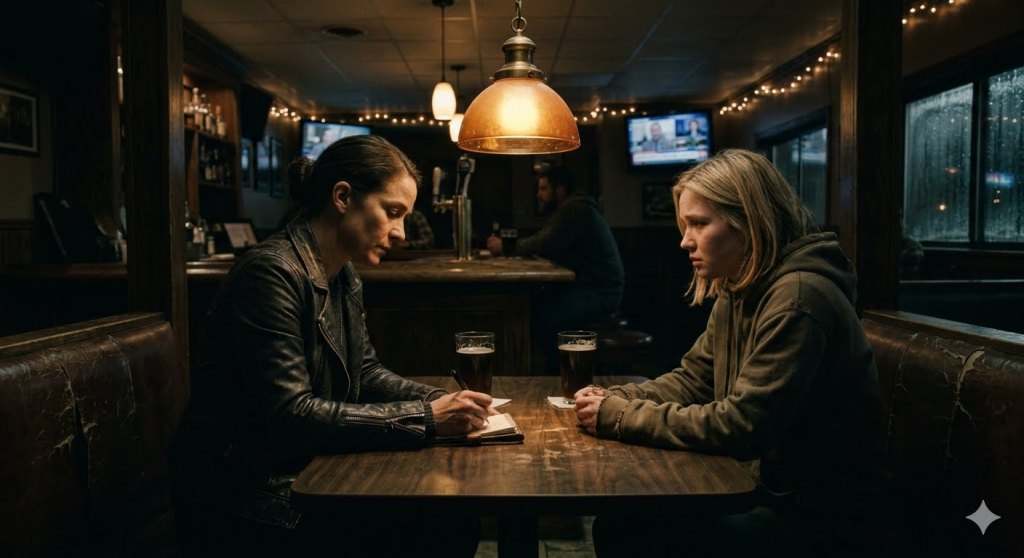
Erika Krouse takes on a contract job investigating a college student’s sexual assault lawsuit that forces her to confront her own history of sexual violence. Krouse brilliantly intertwines the details of the investigation along with her own childhood trauma, creating a story that is both raw and captivating.
The lawsuit exposes a culture of sexual assault and harassment deeply rooted in the university’s football program. While the case is infuriating, Krouse provides an insightful perspective into the foundation of the recruits and the athletic program. Prior to reading Krouse’s novel, I never considered how male recruits trained like animals to perceive sexual assault as acceptable. What is beyond understanding is how men in leadership roles, many with daughters themselves, encouraged systemic sexual abuse as a means of attracting recruits. Even more troubling is how the lack of academic and socioeconomic resources left the recruits exploited by their own vulnerability.
Krouse masterfully captures the humanity of the plaintiffs and witnesses she interviews. It is disturbing to observe how the university dehumanized the women to protect the university’s reputation. I admired the tenacity of Krouse and the plaintiff attorney to move forward no matter how intensely the university fought back.
Krouse bravely tells the parallel narrative of her own experience with sexual violence and emotional abuse in her childhood. The sexual abuser, x, is never identified and it’s deeply sad to think of a child who had no protection. Krouse’s mother chose to deny her daughter’s claims and the emotional cruelty of the mother proved to be equally disturbing.
Both Krouse’s story and the stories of the women in the sexual assault cases must be told. While the sexual assault case happened over two decades ago, similar cases keep happening. We need to keep telling difficult stories in the hope that one day there will not be any left to tell.
Strangers: A Memoir of Marriage by Belle Burden

“Let me tell you about the very rich. They are different from you and me.”
F. Scott Fitzgerald
It is not about the money. After watching several podcasts about Belle Burden’s memoir, “Strangers,” I was disappointed with the persistent focus on her finances. We get it: Burden is rich—very rich. Most readers will never have Belle Burden’s level of wealth, so arguing about her privilege is immaterial. Burden’s Memoir is about so much more than her money.
In Strangers, Belle Burden describes the excruciating emotional pain after her husband leaves her after a 20-year marriage with no real explanation. While Burden’s wealth allowed her to stay home with her children after her spouse left, does that make her own heartbreak less valid? Wouldn’t’ any woman feel crushing pain upon learning her spouse is having an affair, only to have him decide —within 24 hours—that he wants nothing to do with his family? Wouldn’t we all question if we had just lived a lie for the last 20 years?
Burden’s book also highlights the ambient sexism as she is now known as the “divorced” woman in her social circles. Belle is stunned when she learns that she may not be able to maintain her private club membership on Martha’s Vineyard. While most of us have larger problems than maintaining a private club membership, it would still sting a bit when your membership to anything is suddenly in question without a spouse. It reminded me of a female friend of mine who sat on the board of her daughter’s school as the sole “divorced” parent. My friend could feel the tension from the other parents as she attended meetings and voted without a spouse. It seems as if some parts of American society refuse to leave the Mad Men era behind!
What was most infuriating about the sexism Burden encountered was the comment made to her by her own female gynecologist who stated, “You don’t work do you? I think when women don’t work, they become less interesting to their husbands.” Really? I would be curious to ask that OBGYN’s social circles to comment if they find examining women in stirrups all day long an intriguing dinner conversation?
Finally, Belle Burden examines how a false narrative stays with us. While in college, a fellow student publicly criticized Burden’s work and claimed she couldn’t write. Belle stopped writing and attended law school instead of pursuing her passion for writing. It is amazing that it often takes a major disruption—a divorce, job loss, or another life transition—to push us toward who we want to be. I would love to know if the classmate who criticized Belle ever published a single word in his adult life.
By the end of the novel, I found myself rooting for Belle to be free and fly—just like the ospreys she described on Martha’s Vineyard.

